Vampires
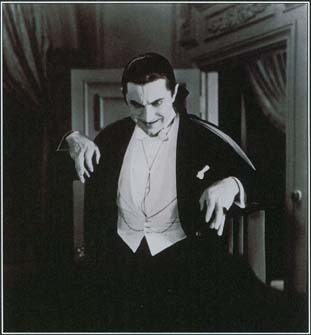
In European folklore, a vampire is a corpse that rises from the grave and sucks blood from the living. According to some accounts, the dead become vampires because demons or evil spirits enter their bodies. Vampires are also said to be dead werewolves, witches, criminals, suicides, and heretics. In some legends, the victims of vampire attacks turn into vampires themselves.
Much vampire folklore originated in Hungary and the Slavic areas of eastern Europe and western Russia. The most famous of all vampires, Dracula, is associated with the Transylvania region of Romania.
heretic person whose beliefs are contrary to church doctrine
The principal characteristic of the vampire is that when buried it does not decay like a normal corpse. Instead, it leaves the grave at night to search for victims. According to tradition, a vampire remains active as long as it can obtain blood. It avoids the sun—some sources say that direct sunlight will kill a vampire—and often sleeps in its coffin by day. Methods of killing a vampire include driving a wooden stake through its heart, cutting off its head, and burning it. Garlic and Christian crosses are thought to offer some protection from a vampire's attack.
See also Dracula? Monsters ; Werewolves ; Witches and Wizards .
*See Names and Places at the end of this volume for further information.
Are the concept of vampire real?
Is their anybody who had seen a vampire?